Dishwasher leaking water from the door: common causes
Water pooling at the base of your dishwasher door almost always traces back to one of six causes. Here's how Alabama homeowners can pinpoint the leak fast.
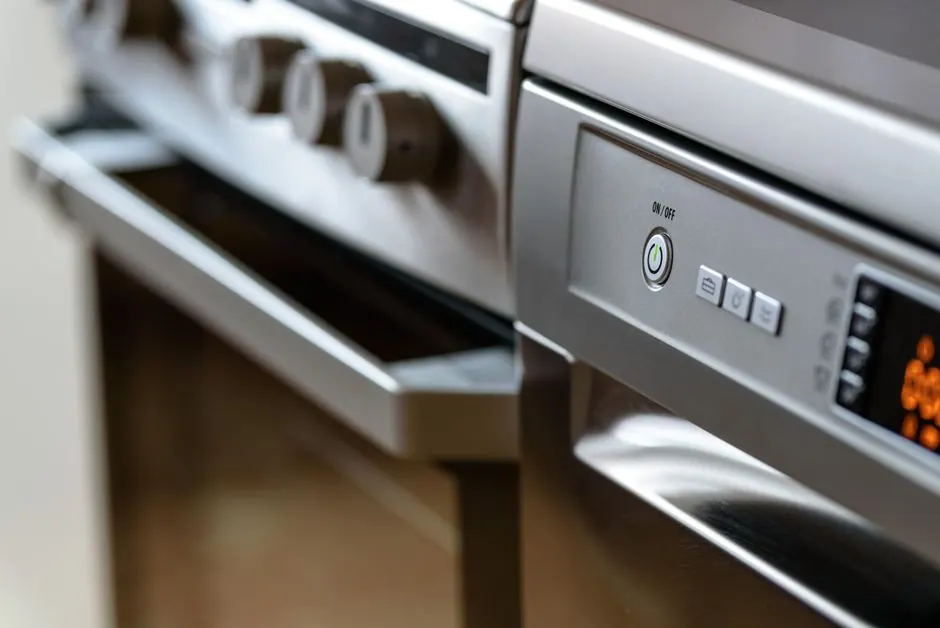
A dishwasher leaking water from the door is almost always caused by a worn door gasket, a misaligned latch, or over-sudsing from too much detergent - and all three are fixable the same day. The water you see at the base of the door is the symptom, not the problem; the real source sits somewhere between the tub lip and the outer door panel. Below we walk through the six causes our technicians find most often on Alabama kitchen calls, what each one costs to fix in 2026, and how to tell in under five minutes whether you're looking at a $40 part or a $400 repair.
What a dishwasher door leak actually tells you
A dishwasher door leak is a water escape at the front seal that happens when the tub can't contain the spray arm's water during a wash cycle. The door on a residential dishwasher is a hinged panel with a rubber gasket running the full perimeter, a latch that compresses that gasket against the tub lip, and a thin plastic inner liner that channels splash back into the tub. Any one of those three components failing lets water find the seam between the door and the cabinet.
Most leaks show up in the first 10 minutes of a cycle, when the pump is running at full pressure and the water is hottest. If you only see water at the very end of the cycle, you're probably looking at a drain or vent issue rather than a door seal problem. That distinction matters because the fix is completely different.
We run into this constantly across the state, from 1970s ranch homes in Dish washer Repair in Hoover to newer builds in Madison where hard water has chewed through gaskets in under four years. Same symptom, different root cause.
Why is my dishwasher leaking water from the door in Alabama?
Alabama's water chemistry is the single biggest reason door leaks are more common here than in most of the country. Average water hardness across Birmingham, Huntsville, and Montgomery runs between 7 and 11 grains per gallon - solidly in the "hard" range. That calcium and magnesium leaves scale on the rubber door gasket every cycle, and scale is abrasive. Over 18 to 36 months, the gasket that used to seal tight against the tub lip starts to stiffen, crack, and lose its compression.
Add our humid summers and you get a second problem: rubber that sits damp between cycles grows a fine film of mold and mildew, which further degrades the seal. We pull gaskets on Alabama machines that look five years older than they are.
If your home was built before 1990, there's a third factor - original cabinets often sit slightly out of level, and a dishwasher that isn't level will pool water against the low side of the door every single cycle. It's a five-minute fix with a wrench, but it's the cause we miss most often on the phone.
The six most common causes, ranked by how often we see them
These are ranked by frequency on our own service calls, not by how dramatic they sound. The first two account for roughly 70% of the door leaks we repair.
1. Worn or scaled door gasket (about 45% of calls)
The door gasket is a rubber strip that runs the full perimeter of the door. When it's pliable, it compresses against the tub lip and seals. When it's stiff, cracked, or coated in mineral scale, water squeezes past it during the wash cycle.
Run your finger along the gasket. If it feels like a dried-out rubber band or you can see visible cracks, that's your leak. A replacement gasket runs $25 to $60 for the part, and most models take 20 to 40 minutes to swap. On Alabama water, expect a new gasket to last four to six years instead of the eight to ten you'd get in a soft-water state.
2. Misaligned or worn door latch (about 25% of calls)
The latch pulls the door tight against the tub. If it's loose, bent, or the strike plate has shifted, the gasket never gets compressed evenly - usually at the top corners. You'll often see the door sit slightly proud on one side when closed.
This is a common issue after a kitchen remodel or after someone has leaned hard on the open door. A latch assembly runs $30 to $90 depending on the brand, and the repair is usually under an hour. If your door also pops open mid-cycle, that's the same problem and the same fix.
3. Too much or the wrong detergent (about 12% of calls)
Over-sudsing is the most misdiagnosed door leak we see. When you use regular dish soap, a pod plus extra powder, or a detergent not rated for your water hardness, the suds build up past the tub lip and push water out the door seam. The leak looks identical to a gasket failure.
The tell: the water is bubbly or soapy, and the leak starts within the first three minutes of the cycle. Run an empty hot cycle with a cup of white vinegar and no detergent. If the leak stops, you've found it. Switch to a hard-water-specific pod and stop pre-rinsing - modern detergents need the food soil to work correctly.
4. A warped or cracked inner door panel (about 8% of calls)
The inner door liner is a thin plastic or stainless panel that channels water back into the tub. Heat cycles and 15 years of service can warp it just enough that water runs down the inside of the door and out the bottom hinge gap instead of back into the tub.
This one is easy to miss because the gasket looks fine. Look for a visible gap between the liner and the outer door, or water streaks running down the inside of the door after a cycle. Liner replacement is a $90 to $180 part and a 45- to 90-minute job.
5. A clogged or misrouted door vent (about 6% of calls)
Most dishwashers have a vent near the top of the door that lets steam escape during the dry cycle. If that vent is clogged with food debris or the vent flap has failed, pressure builds inside the tub and pushes water out the weakest point - usually the top of the door seal.
You'll notice this leak most on the dry cycle or right at the end of the wash. Pull the vent cover and check for debris. A new vent assembly is $20 to $50.
6. A failing door hinge or spring (about 4% of calls)
When a hinge spring weakens, the door doesn't sit square in the frame. The gap is small - a sixteenth of an inch is enough - but water under pressure will find it. You'll usually notice the door feels loose or drops faster than it used to when you open it.
Hinge kits run $25 to $70 per side, and we usually replace both at once. Plan on 30 to 60 minutes.
How to fix a dishwasher door leak in Alabama: a 20-minute diagnostic
Before you call anyone, run this sequence. It isolates the cause in about 20 minutes and saves you the diagnostic fee if it turns out to be something simple.
- Kill the power and water. Flip the breaker and close the supply valve under the sink. Never diagnose a leak with the machine energized.
- Dry everything. Towel the floor, the door, and the tub lip completely. You can't trace a leak on a wet surface.
- Inspect the gasket. Run a finger along the full perimeter. Look for cracks, flat spots, or a chalky white film (that's scale).
- Check the latch. Close the door and look at the gap between the door and the tub lip. It should be even all the way around. If one corner is wider, the latch or hinge is off.
- Level the machine. Put a torpedo level on the top edge of the door, front to back and side to side. Adjust the front legs until it's level.
- Run a test cycle with no detergent. Use hot water. Watch the door seam for the first 10 minutes. If it stays dry, your problem is detergent or loading, not hardware.
If the leak persists after that, you're looking at a part replacement - and that's when it makes sense to bring in someone who carries the parts on the truck. Our team handles Dishwasher Leak Repair in Alabama as a same-day service in most metro areas, and we stock the gaskets and latches for the major brands.
What to watch out for
Two mistakes cost Alabama homeowners the most money on door leaks.
The first is ignoring a slow leak. A door that drips a quarter-cup per cycle doesn't look urgent, but over six months that water soaks into the subfloor and the cabinet toe kick. We've seen $3,000 in floor repair come out of a $180 gasket job that got put off for a year.
The second is sealing the door with silicone or caulk. We find this on maybe one in twenty calls, and it always makes things worse. The door has to open and close; a caulked gasket tears within a few cycles and now you've got a bigger leak plus a cleanup job.
Other things to avoid:
- Don't run the machine with the door propped open to "dry it out" - that warps the inner liner.
- Don't use abrasive cleaners on the gasket. Warm water and a soft cloth only.
- Don't replace just one hinge if both are worn. The door will sit crooked again within a month.
- Don't assume a new gasket will fix a leak if the latch is also loose. Fix both at once.
If your dishwasher is also leaving standing water in the bottom, that's a separate issue - our Dishwasher Not Draining Repair in Alabama team handles those calls daily and can usually clear the drain in one visit.
When to call a professional
Call us when the leak continues after you've cleaned the gasket, checked the latch, and leveled the machine - or when you see any of these signs:
- Water is coming from behind the door panel rather than the seam (inner liner failure).
- The door won't stay latched during a cycle.
- You see rust or soft spots on the cabinet floor under the dishwasher.
- The machine is more than 10 years old and this is the second leak in a year.
- You smell burning or the breaker trips when the cycle starts.
Our technicians carry gaskets, latches, hinges, and vent assemblies for Whirlpool, GE, Bosch, Samsung, LG, KitchenAid, and Frigidaire on the truck. That means most door leaks are a one-visit fix. We quote the price before we start, and if the repair doesn't make financial sense on an older machine, we'll tell you that straight instead of selling you a part.
For homeowners in the Huntsville and Madison area, we also offer Dishwasher Maintenance in Alabama visits that include a gasket treatment and hard-water descaling - a $99 service that adds years to the seal on Alabama water.
Frequently Asked Questions
Why is my dishwasher leaking from the door in Alabama?
Nine times out of ten it's a worn door gasket, a loose latch, or over-sudsing from too much detergent. Alabama's hard water (7-11 grains per gallon) accelerates gasket wear, so door leaks show up here two to three years earlier than in soft-water states.
How do I stop my dishwasher from leaking water in Alabama?
Clean the gasket with warm water, check that the door sits level and latches evenly, and switch to a hard-water detergent pod. If the leak continues after a no-detergent test cycle, the gasket or latch needs replacing - usually a $150 to $350 repair in 2026.
What causes dishwasher door leaks in Alabama?
The six causes we see most are a scaled gasket, a misaligned latch, over-sudsing, a warped inner door panel, a clogged door vent, and a worn hinge spring. The first two account for roughly 70% of all door-leak calls.
Can I replace a dishwasher door seal myself in Alabama?
Yes, if you're comfortable with basic tools. The gasket is a $25-$60 part and takes 20-40 minutes to swap on most models. The catch is matching the exact part number - bring the model plate photo to the parts counter or have us do it in one visit.
How much does dishwasher door leak repair cost in Alabama?
Typical 2026 pricing runs $150 to $350 for a gasket or latch replacement including the service call. Inner door liner replacement runs $250 to $450. A new dishwasher installed is $650 to $1,200, so the repair is almost always the better call on a machine under 10 years old.
Get help with Dish washer Repair in Alabama
If you've dried the floor twice this week and the door is still leaking, we can have a technician at your kitchen today. We serve Birmingham, Huntsville, Montgomery, Mobile, and most of the state's metro areas with same-day door leak repair.
Call Dish Tech Repair Pros at +12059641984 and we'll get your dishwasher sealed and running dry again.